

Why Are My Teeth Still Crooked After Braces? Aspley Elite Dental Care Explains What Patients Should Know


Completing orthodontic treatment does not guarantee that teeth will remain in the same position indefinitely.”
ASPLEY, BRISBANE, AUSTRALIA, October 16, 2026 /EINPresswire.com/ -- Aspley Elite Dental Care has released guidance for patients who notice changes in tooth alignment after completing orthodontic treatment, explaining the common reasons teeth can shift following braces and when a dental assessment may be warranted. — Dr Dev
Why Teeth Can Move After Braces?
Completing orthodontic treatment does not guarantee that teeth will remain in the same position indefinitely. Teeth are held in place by the surrounding bone, gums and supporting tissues, which continue to change throughout a person's life.
Healthdirect Australia notes that retainers are used after braces to help keep teeth in position, because teeth tend to move back towards their previous positions. The amount of movement varies between individuals. Some people notice only minor changes, while others experience more visible crowding or spacing over time.
The Role of Retainers
Retainers are a key component of maintaining the outcomes achieved through orthodontic treatment. Patients may be provided with a removable retainer, a fixed retainer, or a combination of both, depending on their treatment plan.
If a removable retainer is not worn as directed, or if a retainer becomes lost, damaged or ill-fitting, teeth may gradually shift. Patients who find their retainer difficult or uncomfortable to insert should arrange a dental or orthodontic assessment rather than forcing it into place.
Natural Changes Over Time
Tooth movement after orthodontic treatment does not necessarily mean the original treatment was unsuccessful. Changes in the bite, gums, surrounding bone and adjacent teeth can occur as people age, meaning that someone who completed braces several years ago may notice that their teeth no longer look or feel exactly as they did when treatment finished.
When Clear Aligner Treatment May Be Considered
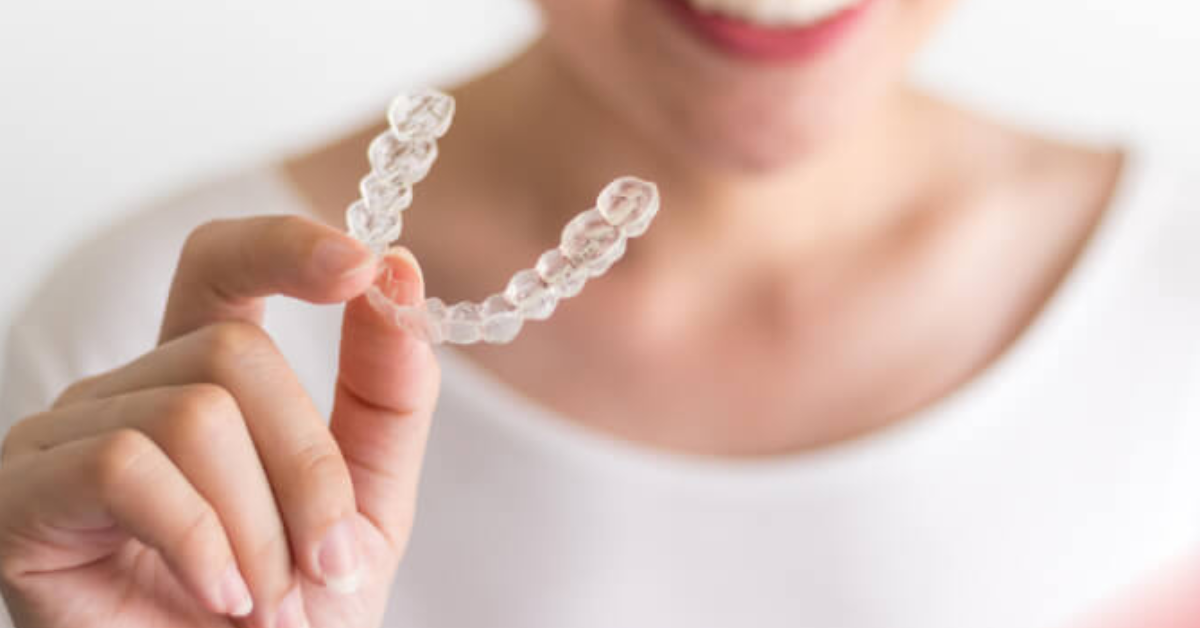
For some patients, clear aligner treatment such as Invisalign may be considered when teeth have moved following previous orthodontic treatment. Invisalign uses a series of removable clear aligners designed to gradually reposition teeth according to an individual treatment plan.
Whether this approach is suitable depends on a range of factors, including the type and extent of tooth movement, bite condition, overall oral health and the patient's orthodontic history. A dental assessment is required before any decision is made about whether clear aligners, another orthodontic approach or monitoring without further treatment is appropriate.
What a Dental Assessment Involves
Before starting any further course of tooth movement, a dentist will assess overall oral health. This includes checking for decay, gum disease, damaged restorations and other dental concerns, as well as reviewing existing crowns, fillings, veneers or other previous dental work.
An assessment for clear aligner treatment typically involves examining the teeth, gums and bite, and reviewing the patient's dental and orthodontic history. Digital scans, photographs or other clinical records may also be taken where clinically appropriate.
The dentist can then discuss: the type of tooth movement present; whether clear aligners or an alternative approach may be suitable; expected treatment requirements; potential risks and limitations; retention planning after treatment; and fees and payment arrangements.
Treatment length and outcomes vary between patients, making individual assessment important before commencing Invisalign or another orthodontic treatment.
Retention After Further Treatment
Patients who undergo a further course of orthodontic treatment will generally require a retention plan once active tooth movement is complete. Following the recommended retainer schedule and attending review appointments helps manage future tooth movement.
Patients should contact their dental practitioner if a fixed retainer becomes loose or broken, or if a removable retainer no longer fits as expected.
Guidance From Aspley Elite Dental Care
Aspley Elite Dental Care recommends that patients who notice changes in alignment following previous orthodontic treatment arrange an assessment of their teeth, bite and existing retainers before deciding whether clear aligner treatment or another approach is clinically appropriate.
About Aspley Elite Dental Care
Aspley Elite Dental Care provides general, restorative, cosmetic and orthodontic dental care for patients in Aspley and surrounding north Brisbane areas. Treatment recommendations, including orthodontic options, depend on individual dental assessment, oral health needs and clinical suitability.
Dr Dev
Aspley Elite Dental Care
info@aspleyelitedental.com.au
Visit us on social media:
LinkedIn
Instagram
Facebook
Legal Disclaimer:
EIN Presswire provides this news content "as is" without warranty of any kind. We do not accept any responsibility or liability for the accuracy, content, images, videos, licenses, completeness, legality, or reliability of the information contained in this article. If you have any complaints or copyright issues related to this article, kindly contact the author above.
